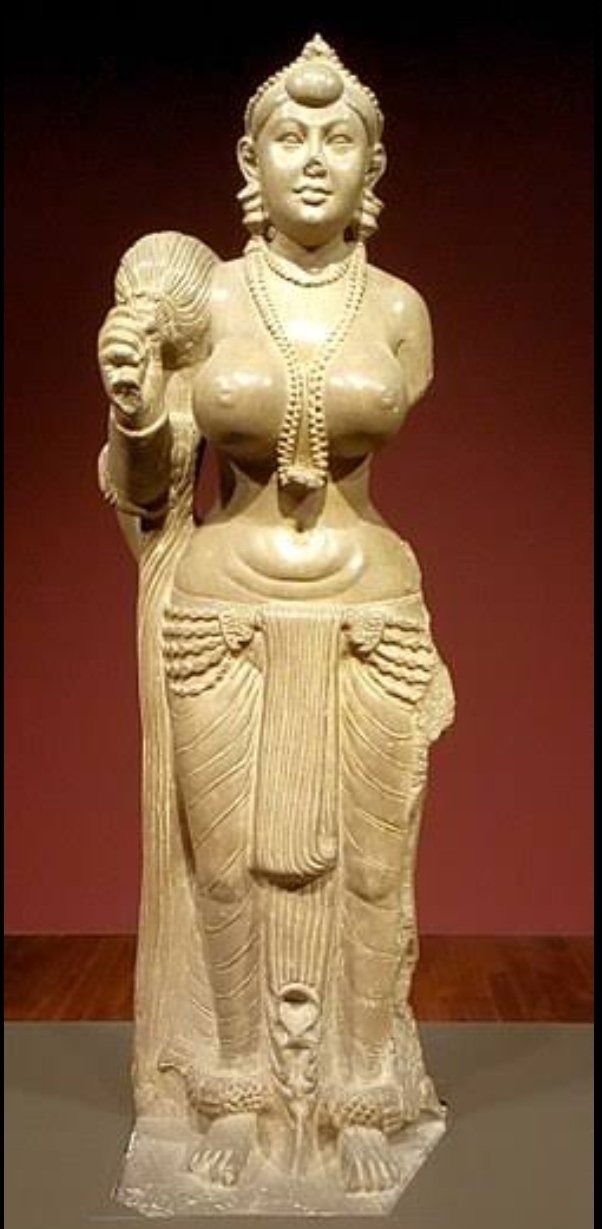
By all standards three-fourths of the ancient Indian history revolves around Bihar and thus a major part of the Indian art has essentially originated from Bihar in one way or the other. The earthen images of Yaksha and Yakshanis and the images carved on the stones of pavements surrounding Nalanda as well as Maniyar Nath speak eloquently about the Bihar art of Maurya and Gupta periods. The art has been minute to this extent that the apparel of stone carved images appear so thin and transparent that all the parts of the human body can even now be clearly deciphered.
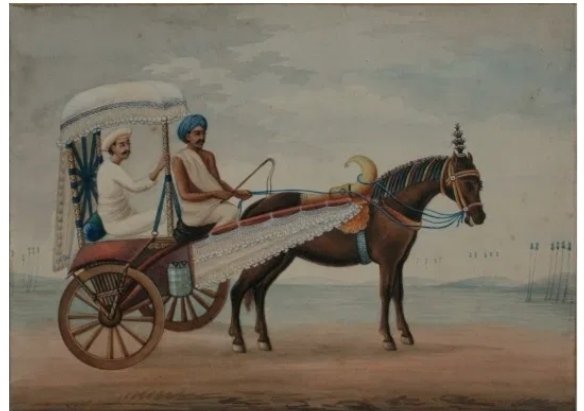
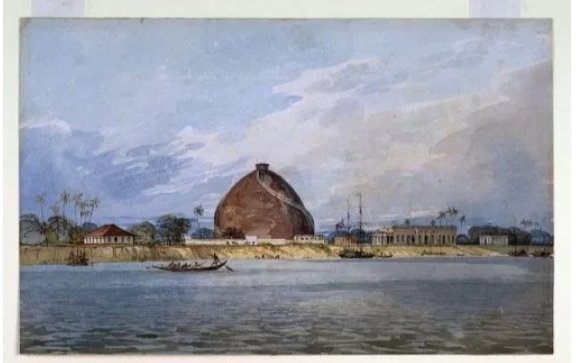
Patna has been a centre of painting from the 18th century to the beginning of the present century. Similar to Kangra and Rajputana style, Patna had its own style known as Patna Kalam. In the history of Indian painting, the Patna Kalam has a special and unique place. Patna syle was slightly different from the Kangra, Rajputana or Mughal paintings. The Patna school of painting adopted the lives of simple folks and presented their lives, telling emotions and activities through paintings. Many of the Patna paintings lying in the Patna museum show that the Patna painters expressed life and feelings of even labourers. Thus this school of painting deservedly paid attention towards the valuable contribution of the labouring class to the humanity.
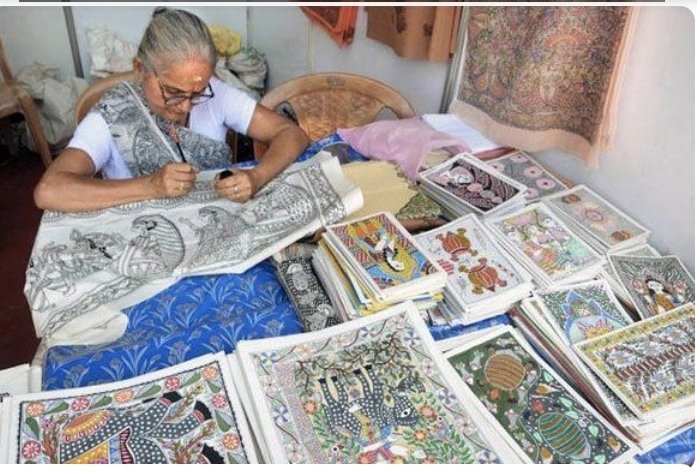
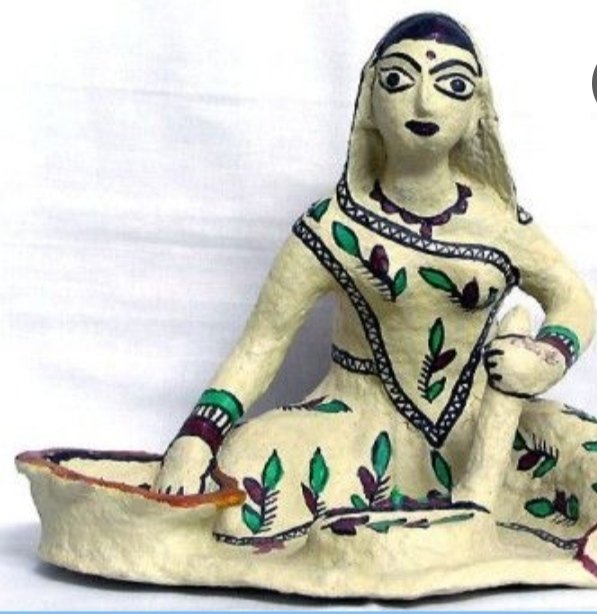
The folk art of Bihar has survived all attacks of modernism. A good part of the State’s population consists of the Tribals who are highly tradition bound and are not receptive to modern currents. In the rural side, the tradition of ‘Deewali likhana’ still continues. On this day every household paints the picture of temples, priests worshippers, gamblers, musicians at play, flower sellers, artisans etc. on a vast sheet of paper. It is called as Deewali likhana. This paper with painted pictures is preserved till next Deewali. Paper machie are another form of folk art. These are used extensively in folk dances and especially the war dances of the Tribals.
Folklore
Folklore is usually rich in rural and primitive societies. Bihar being an overwhelmingly rural state obviously has a rich folklore.
Dances like Kirat Arjun Panch Pandava and Mahishasur vadh are based on legends. These are mostly the dances of non tribals and are dying fast as the non tribals have shown more inclination towards social changes.
Folk tales, riddles, proverbs, and ballads etc. are the part and parcel of the folklore of Bihar as in any other part of India. Bihar is known for its pastoral songs. The peasants and more particularly those hailing from lower rungs of the society sing these songs, while sowing, weeding, harvesting and threshing crops.
The tract where Bhojpuri dialect is spoken is particularly rich in pastoral songs. The Bhatiali songs of the boatmen, the Biraha songs of the washermen, Nirgun songs of the cobblers, the Lorkin songs of the fishermen and the Bihula songs of the bamboo workers are the songs of this category. Women recite Sobhanaika and Sohar folk songs at the time of marriage and child birth respectively. The historic ballads dealing with the heroic deeds of the freedom fighter Kunwar Singh have also been immortalised through folk songs in the plain tracts of Bihar.
 A Rendezvous with life